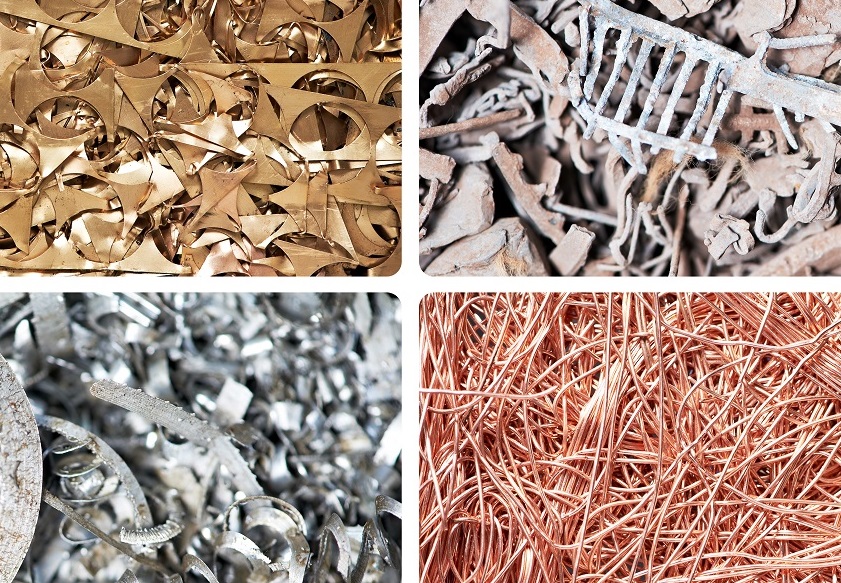
Tanzania is fast becoming a major exporter of high-quality metals, minerals, and scrap materials on the global market. Whether you are sourcing copper cathodes, aluminium ingots, iron ore, or precious metals, this guide answers the most common questions buyers search on Google — helping you make smarter buying decisions and find reliable suppliers like Tanzania Metals Suppliers.
Metal Suppliers play a vital role in global manufacturing and construction industries. Reliable Metal Suppliers provide consistent quality, certified materials, and competitive pricing for buyers worldwide. Businesses trust Metal Suppliers for steel, aluminum, copper, and specialty metals used in industrial applications. Choosing experienced Metal Suppliers ensures proper documentation, inspections, and timely delivery. Leading Metal Suppliers support bulk orders, custom specifications, and flexible logistics solutions. With strong sourcing networks, Metal Suppliers reduce supply risks and improve cost efficiency. Partnering with professional Metal Suppliers helps companies scale operations, maintain standards, and secure long-term profitability in international markets.
1. What Products Do Tanzania Metal Suppliers Offer?
Tanzania metal suppliers export a wide range of raw materials, industrial metals, and scrap for manufacturing and trade. Common products include:
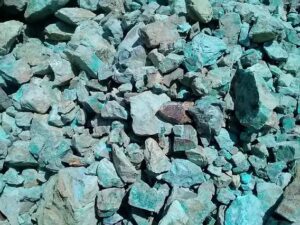
- Copper cathodes & copper ore
- Aluminium ingots & aluminium scrap
- Iron ore pellets and pig iron
- Gold bars and precious metals
- HMS (Heavy Melting Steel) 1 & 2 scrap
- Used rail and TMT bars
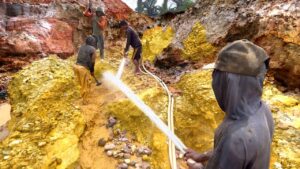
These materials are sourced directly from Tanzanian mines and processing hubs, ready for global shipment.
2. How Can I Verify the Quality of Metals Before Buying?
Quality verification is one of the top buyer concerns when sourcing metals internationally. Best practices include:
- Pre-shipment inspection (PSI) by SGS, Bureau Veritas, or local TIFFA agents.
- Material test certificates (MTC) showing grade, weight, and composition.
- Factory/warehouse video and photos with today’s date visible.
- Independent third-party sampling to confirm quality and grade.
Buyers often request these before releasing any advance payment.
3. How Do I Calculate the Price of Metals?
Metal prices depend on global commodity markets, quality, and order volume. For copper, aluminium, or iron products:
- Base pricing often follows LME or COMEX global benchmark market rates.
- Scrap pricing may vary depending on grade (e.g., Millberry, ZORF).
- Buyers can request price breakdowns including freight, duties, and export fees.
Always clarify whether quoted prices are FOB Tanzania, CIF your port, or EXW warehouse to avoid misunderstandings in final costs.
4. Can I Buy Small Quantities or Samples First?
Yes — reputable suppliers allow buyers to order:
- Sample lots for quality testing
- Trial shipments (e.g., container trial before contract)
- Small bulk orders
This lets you verify product quality and responsiveness before committing to large volume contracts.
5. What Is the Export Process From Tanzania?
Exporting metals from Tanzania involves several key steps:
- Buyer places a contract or LOI/ICPO
- Supplier prepares Proforma Invoice
- Buyer makes advance payment or confirmed method
- Quality inspection and loading
- Containers delivered by shipping line to warehouse
- Customs clearance and export documentation (BL, COO, etc.)
The supplier and shipping agent coordinate the container provision, stuffing, and export logistics — ensuring smooth processing and timely delivery.
6. How Do I Know the Supplier Is Legitimate?
Legitimate suppliers should provide:
- Official business registration (e.g., SUTRUMA GROUP OF COMPANIES LIMITED) and bank details matching company name.
- Proof of past shipments (BL, export records)
- References from other buyers
- Clear quality assurance and delivery policies
Don’t proceed without verifying company authenticity and financial account confirmation.
7. What Are the Most Asked Buyer Questions Before Ordering?
International buyers often ask these before placing metal orders:
Shipping & Delivery
- What is the lead time?
- Do you handle container booking and shipping?
- Is CIF or FOB pricing available?
Payment & Terms
- Do you accept bank transfer, LC, escrow, or documentary credit?
- Can I pay partial upfront and balance on delivery?
Product Specs
- What is the grade and purity?
- Can you provide Certificates of Analysis?
- Are samples available?
These questions help avoid delays and quality disputes.
8. How Long Does It Take to Ship Metals From Tanzania?
Shipping times vary depending on destination:
- Africa & Middle East: 7–14 days by sea
- Europe: 14–28 days by sea
- Asia & Americas: 30–45 days by sea
Air freight is faster but more expensive. You should confirm lead times before confirming orders.
9. What Types of Payment Methods Are Safe for International Buyers?
Common secure payment methods include:
- Wire transfer (SWIFT)
- Letter of Credit (LC) at sight
- Escrow services for large orders
- Standby letters of credit (SBLC)
Always verify seller bank details to ensure funds go to the correct, registered business account.
10. Are Tanzanian Metals Good Quality for Manufacturing?
Yes — Tanzania’s metal supply sector is growing, with raw materials used worldwide in steel mills, foundries, electronics, and construction. Products such as copper ore, aluminium ingots, and iron pellets meet international specifications when properly certified.
Tanzania is also investing in metal processing plants to boost export quality and volume.
11. What Certifications Should I Expect From the Supplier?
Ask for:
- Material Test Certificates (ISO/ASTM)
- Third-party inspection reports
- Bill of Lading (BL)
- Certificate of Origin (COO)
- Packing list and weight manifest
These documents protect both buyer and seller and are essential for customs clearance.
12. Can Tanzania Metal Suppliers Provide Custom Orders?
Yes — most suppliers can tailor orders based on:
- Specific metal grade requirements
- Custom packaging
- Bulk or scheduled delivery contracts
Buyers should communicate exact specs and timeline needs early in negotiations.
13. What Are Current Global Buyer Trends for Metals?
Global demand, especially for copper and aluminium, continues to rise due to:
- Renewable energy infrastructure
- Electric vehicle manufacturing
- Construction and industrial demand
Understanding market trends can help you negotiate better terms and plan strategic purchases.
14. How Do I Get an Accurate Quotation?
To receive a serious quote, buyers should send:
- Desired product type and grade
- Quantity
- Delivery terms (FOB/DAP/CIF)
- Destination port
- Preferred payment terms
A detailed request helps suppliers provide precise pricing and delivery timelines.
15. How Do I Avoid Metal Supply Scams?
Protect yourself by:
- Verifying company registration and physical address
- Asking for recent warehouse videos and dated photos
- Confirming bank account ownership
- Checking past export documentation
Reliable suppliers will provide transparency and documentation without hesitation.
Conclusion
Sourcing metals and minerals from suppliers in Tanzania can offer high quality and competitive prices — if you know what to ask and how to verify the supplier. This FAQ is tailored to answer the most common buyer questions, helping you make informed decisions, avoid pitfalls, and secure profitable deals.
Visit https://tzmetalsuppliers.com/ today to explore products, request quotes, and connect with exports ready to ship worldwide.