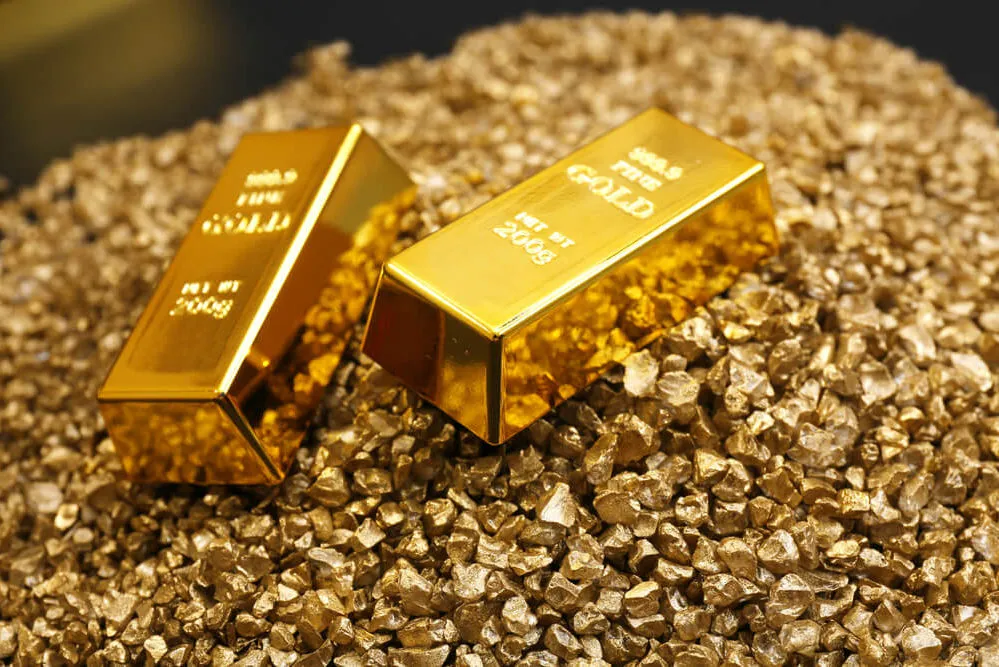
A complete, legally accurate investor guide to Tanzania’s mining sector—covering gold, copper, nickel, diamonds, coloured gemstones, mining licences, dealer licences, royalties, SEZ opportunities, and how to enter the market compliantly under the Mining Act.
1. Introduction: Tanzania as Africa’s Mining Powerhouse
Tanzania is one of Africa’s most mineral-rich countries, endowed with gold, copper, nickel, cobalt, iron ore, diamonds, tanzanite, rubies, sapphires, spinels, coal, graphite, limestone, uranium, and more.
According to official publications by the Ministry of Minerals and the Mining Commission, minerals contribute a significant portion of Tanzania’s export earnings, while the Government of Tanzania projects the mining sector to contribute 10% of GDP by 2025 through increased production, value addition, and formalized trade.

For global investors—especially from UAE, China, India, Hong Kong, Europe, USA, Turkey, Oman, Saudi Arabia—Tanzania provides:
Abundant mineral resources
A clear and well-established legal framework under the Mining Act, Cap. 123
Strong government emphasis on value addition and mineral processing plants
Attractive opportunities through TISEZA’s Special Economic Zones (SEZs)
A stable political climate and improving infrastructure
This guide consolidates everything investors must know before entering the mining, mineral trading, or mineral processing space in Tanzania.
2. Tanzania’s High-Potential Minerals
The Ministry of Minerals identifies several priority minerals for foreign investment.
2.1 Gold
Tanzania is Africa’s 4th-largest gold producer. Major gold belts include:
Lake Victoria Goldfields
Geita
Shinyanga
Kahama
Masumbwe – Mbogwe
Katoro
Chunya
Mara
Simiyu
Tanga
Dodoma and
Singida
Gold is produced by:
Large-scale mines
Medium-scale mines
Primary Mining Licence (PML) holders
Artisanal & small-scale miners (ASM)

Opportunities include:
Gold dealership
Gold refinery setup
Export trading
Gold ore processing plants
Supply chain aggregation
2.2 Copper & Metallic Minerals
Tanzania holds substantial deposits of:
Copper
Nickel
Iron ore
Cobalt
Manganese
Silver
Lead-zinc (base metals)
Areas of interest include:
Dodoma & Morogoro (Copper at Kinusi Mpwapwa and Kilosa)
Kabanga (one of the largest nickel reserves globally)
Mpanda – Katavi
Mbeya
Iringa
Lindi
Copper concentrate export is rising, and the government encourages local smelting and refining, especially through SEZ-based processing plants.
2.3 Nickel
The Kabanga Nickel Project places Tanzania in the global battery metals map. Nickel demand is increasing due to:
Electric vehicles (EVs)
Battery manufacturing
Global decarbonization initiatives
Investors can enter through:
Nickel dealership
Toll smelting partnerships
Processing plant investments
Supply chain aggregation for export
2.4 Diamonds & Gemstones
Tanzania is globally famous for:
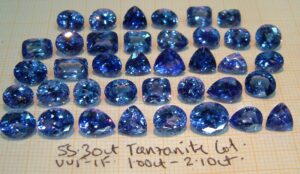
Tanzanite (found only in Tanzania)
Rubies
Sapphires
Spinels
Tourmaline
Garnets
Emeralds
Moonstone
Diamonds are extracted mainly from:
Williamson Mine (Mwadui)
The government encourages:
Local gemstone cutting & polishing
Jewellery manufacturing
Gemstone trading under regulated Mineral & Gem Houses
2.5 Industrial and Strategic Minerals
These include:
Coal
Limestone
Gypsum
Lithium
Graphite
Kaolin
Phosphates
Uranium
Demand is rising due to construction, energy transition, steelmaking, and global supply chain diversification.
3. Legal Framework: Mining Act, Cap. 123 (Investor Overview)
The Mining Act, Cap. 123 governs all mineral exploration, mining, processing, trading, and export activities.
Key principles:
✔ All minerals belong to the Government of Tanzania
Minerals in or under the land and waters of Tanzania are the property of the United Republic of Tanzania.
✔ No person may prospect, mine, trade, or export minerals without a licence
All activities require formal licences from the Mining Commission.
✔ Local content and participation is mandatory
For mineral trading, Tanzanians must hold at least 25% shares.
✔ The State holds not less than 16% free carried interest in large mining licences
Applies to companies with Mining Licences (ML) and Special Mining Licences (SML).
4. Types of Mining & Mineral Licences in Tanzania
Important licences include:
4.1 Prospecting Licence (PL)
For exploration and geological survey.
4.2 Mining Licences
Primary Mining Licence (PML) — for Tanzanians
Mining Licence (ML) — medium-scale
Special Mining Licence (SML) — large-scale mining projects
4.3 Processing, Smelting & Refining Licences
For mineral beneficiation, value addition, smelting, and refining.
4.4 Dealer Licence
For mineral trading (buying, selling, storing, exporting).
Dealer licences apply to:
Gold
Metallic minerals (copper, nickel, cobalt, etc.)
Gemstones
Diamonds
Coal
Industrial minerals
This licence is crucial for traders and exporters.
5. Mineral Trading & Export Requirements
To trade or export minerals legally, you must have:
A Tanzania-registered company
TIN Certificate
Business Licence
Mineral Dealer Licence
Trading premises approved by Mining Commission
Export permits for every shipment
Compliance with royalties and inspection fees
Royalties (per official investor guides)
6% — gold, metallic minerals, diamonds, gemstones
1% — cut and polished gemstones
3% — industrial minerals
1% or 3% — coal
Inspection Fee
1% of gross mineral value
6. Value Addition & Processing Plant Opportunities
The Government strongly promotes local beneficiation.
Priority projects include:
6.1 Gold
Gold refineries
Regional assay laboratories
Processing plants for small-scale miners
6.2 Copper & Nickel
Smelting and refining
Copper cathode production
Nickel processing linked to the EV supply chain
6.3 Gemstones
Gem cutting & polishing factories
Jewellery manufacturing
Specialty gemstone labs
7. Special Economic Zones (SEZ) & TISEZA Opportunities
Tanzania Investment and Special Economic Zones Authority (TISEZA) supports:
Mining-related industrialisation
Mineral processing
Gemstone value addition
Smelting & refining
SEZ eligibility includes:
New investment
Export turnover above USD 500,000 (foreign) / USD 100,000 (local)
Environmental compliance
Modern production technology
Location within a designated SEZ park
SEZ benefits include:
Tax exemptions (as per official TISEZA publications)
Duty-free import of machinery
Facilitation of land, work permits, utilities
Investment guarantees
8. How to Enter the Mining Market in Tanzania (Investor Roadmap)
Step 1 — Choose your mode of entry
Exploration
Mining
Mineral trading
Mineral processing
SEZ-based industrial project
Step 2 — Register a company
Foreign and local investors must register with BRELA.
Step 3 — Secure licences
Work with the Mining Commission and Zonal Mines Offices.
Step 4 — Set up operations
Includes office premises, mineral storage, security, staffing.
Step 5 — Comply with taxes & royalties
Mandatory to maintain legal status.
Step 6 — Establish export pathways
Permits, assays, inspections, customs.
9. Why Tanzania Is a Strategic Mining Hub
Stable regulations
Rapidly growing mineral reserves
Government-driven value-addition focus
Access to global markets via Dar es Salaam Port
Emerging EV and battery minerals sector
Full investment support through TISEZA